
Keeping your home at the right temperature isn’t just about comfort — it’s one of the most effective ways to reduce energy consumption and lower heating bills. As energy prices continue to rise, setting your thermostat correctly has never been more important.
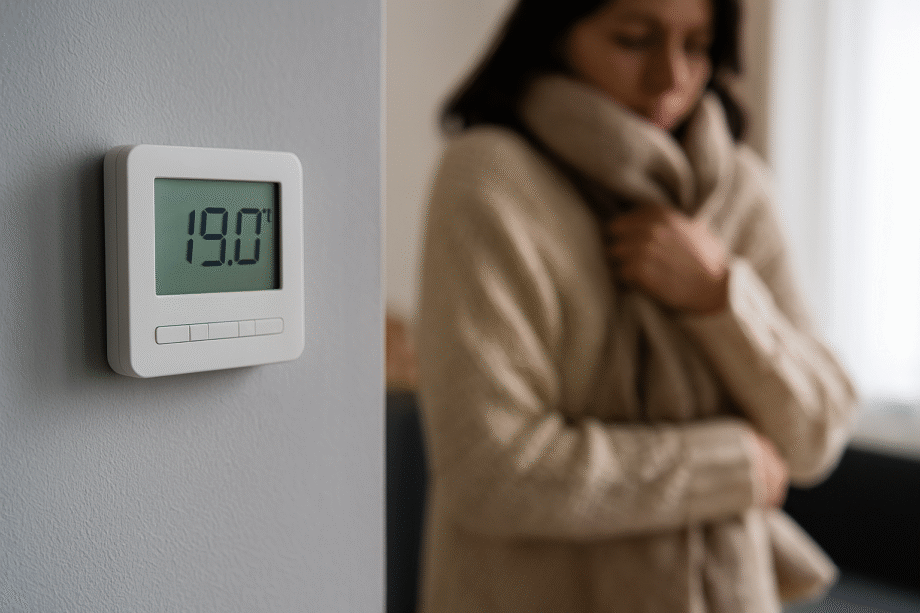
19°C (66°F): the sweet spot for comfort and savings
Experts agree that 19°C (around 66°F) is the ideal temperature for most living areas when aiming for both comfort and energy efficiency.
Every extra degree added to your thermostat increases energy use by about 7%, which can translate into hundreds of dollars per year depending on your heating system.
See Also

On the other hand, dropping too far below 18°C can increase humidity levels, force the heating system to compensate, and sometimes lead to higher consumption — the opposite of the intended effect.
The right temperature for each room
Saving energy also means not heating every room the same way:
- Living areas (living room, dining room): 19–20°C (66–68°F)
- Bedrooms: 16–18°C (61–64°F)
- Kitchen: around 18°C (64°F), since cooking already generates heat
- Bathroom: 21–22°C (70–72°F), but only while in use
Applying these temperature ranges can significantly cut household energy consumption without sacrificing comfort.
Small habits that make a big difference
The right indoor temperature works best alongside simple everyday actions:
- Use a programmable thermostat to lower the temperature at night and during the day when no one is home
- Close shutters and curtains at night to retain heat
- Maintain heating systems regularly to avoid performance loss
- Avoid blocking radiators with furniture or heavy drapes
These habits combined can reduce heating bills by an additional 10–15%.
Lower bills, higher comfort
By adjusting indoor temperatures wisely and adopting good heating habits, households can achieve significant savings while keeping their homes comfortable.
In a world where every kilowatt-hour counts, proper heating management is no longer optional — it’s a smart and sustainable strategy for your wallet and the planet.