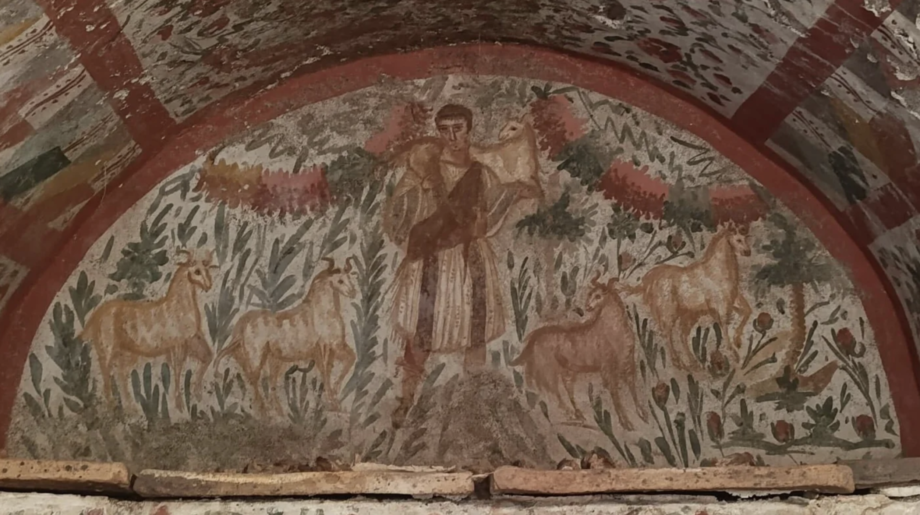
An extraordinary discovery is fascinating archaeologists around the world. In an ancient necropolis in Turkey, researchers have uncovered a remarkably well-preserved fresco depicting Jesus as the “Good Shepherd.” Its age and exceptional condition make it one of the most valuable early representations of Christ ever found.
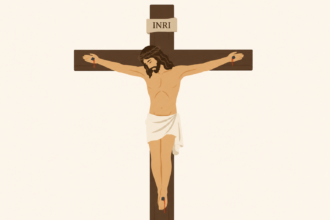
Dating back to the early 3rd century, before the famous Council of Nicaea, the artwork presents a very different image of Jesus from the one that would later become widely recognized. There is no cross and no long beard. Instead, he appears as a young shepherd dressed in Roman-style clothing and surrounded by mysterious symbols.
See Also

Why is this depiction so different? Archaeologists believe the answer may lie in the historical context. At a time when Christians often lived under the threat of persecution, some religious images may have been intentionally designed to blend in and avoid attracting the attention of authorities.
A Never-Before-Seen Image of Jesus
The discovery could be only the beginning. So far, archaeologists have explored just a small portion of the site, while many promising areas remain untouched.
Researchers hope that future excavations will reveal even more clues about the earliest centuries of Christianity and the way the first believers expressed their faith long before many of the symbols associated with Christianity became widespread.